Workflow Platform
Simplifying complex document workflows through clearer information architecture and role definitions.
01 - PROBLEM
The Problem
- Users struggled to understand how workflows were created
- Roles and responsibilities were unclear
- Naming across the system caused confusion
- Workflow configuration was fragmented
- The system was difficult to scale to new industries

02 - CONTEXT
Understanding the Product
Xertify is a B2B workflow platform that helps organizations manage document-based processes involving multiple participants and approvals.
The platform is structured around two key processes: workflow creation and workflow sending.
Workflow Creation
Workflow Sending
03 - DISCOVERY
Discovery & Research
KEY INSIGHT
The core issue wasn't just UI complexity—it was fundamentally about unclear role definitions and confusing system terminology that didn't align with how organizations think about processes.
04 — Strategy
UX Strategy
To ensure consistency and accelerate development, the interface was built using a component-based approach supported by a UI library such as shadcn/ui.
This allowed the product to maintain a consistent visual system while enabling faster iteration and scalability as the workflow platform evolved.
05 — Information Architecture
Information Architecture Redesign
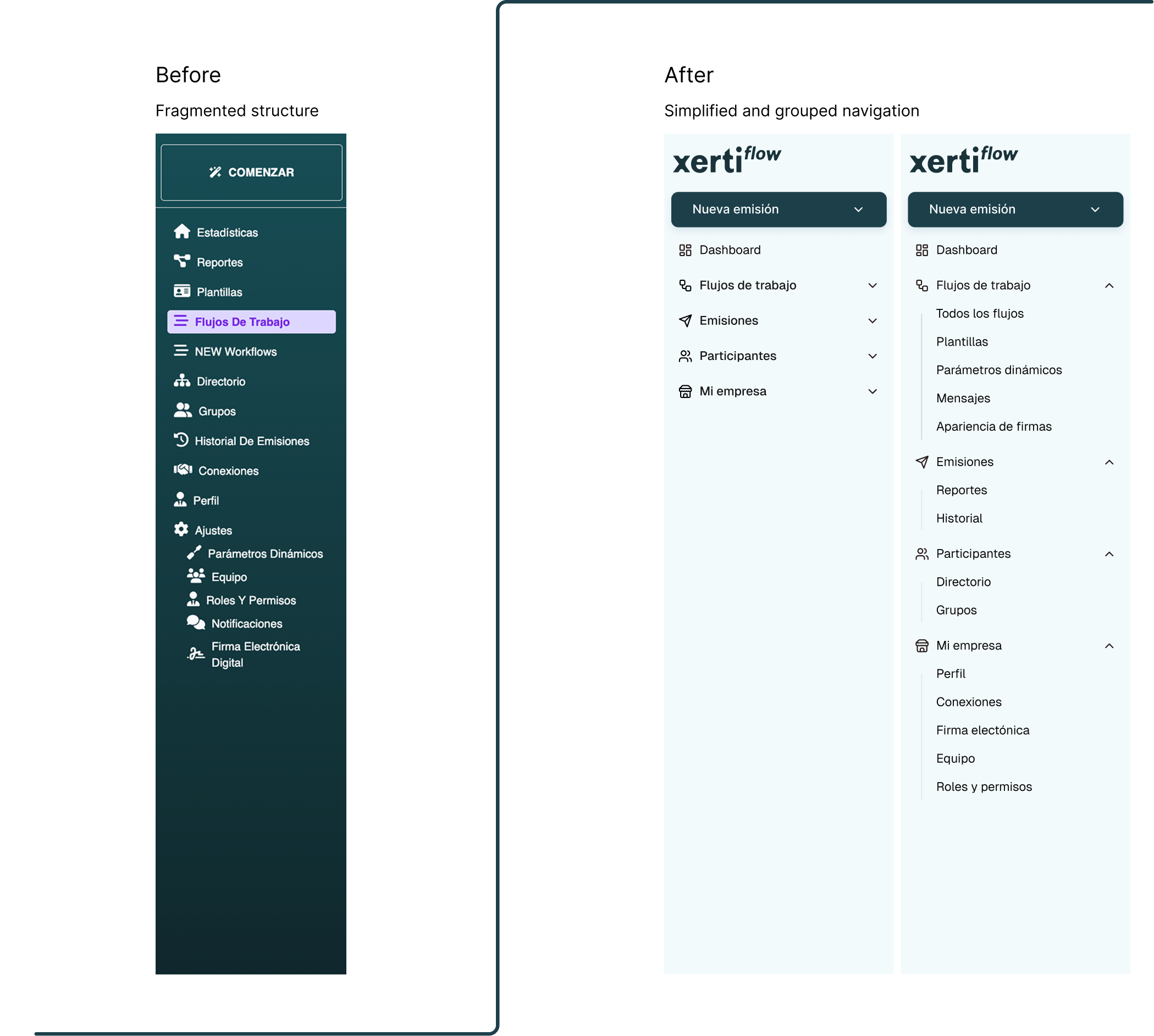
We shifted the information architecture from a system-based structure to a task-based structure, organizing the product around the key actions users needed to perform.
06 — Role System
Role System Redesign
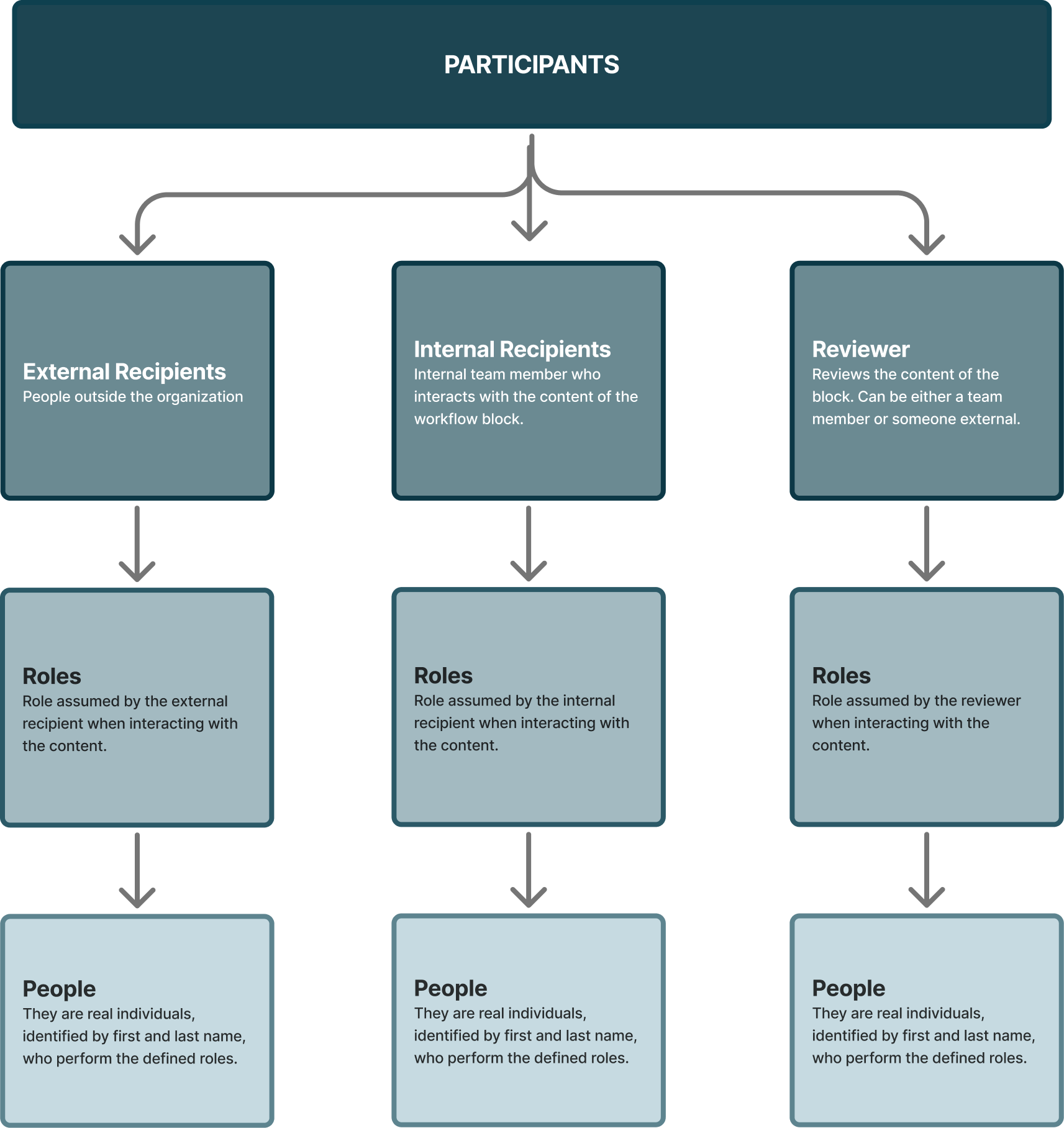
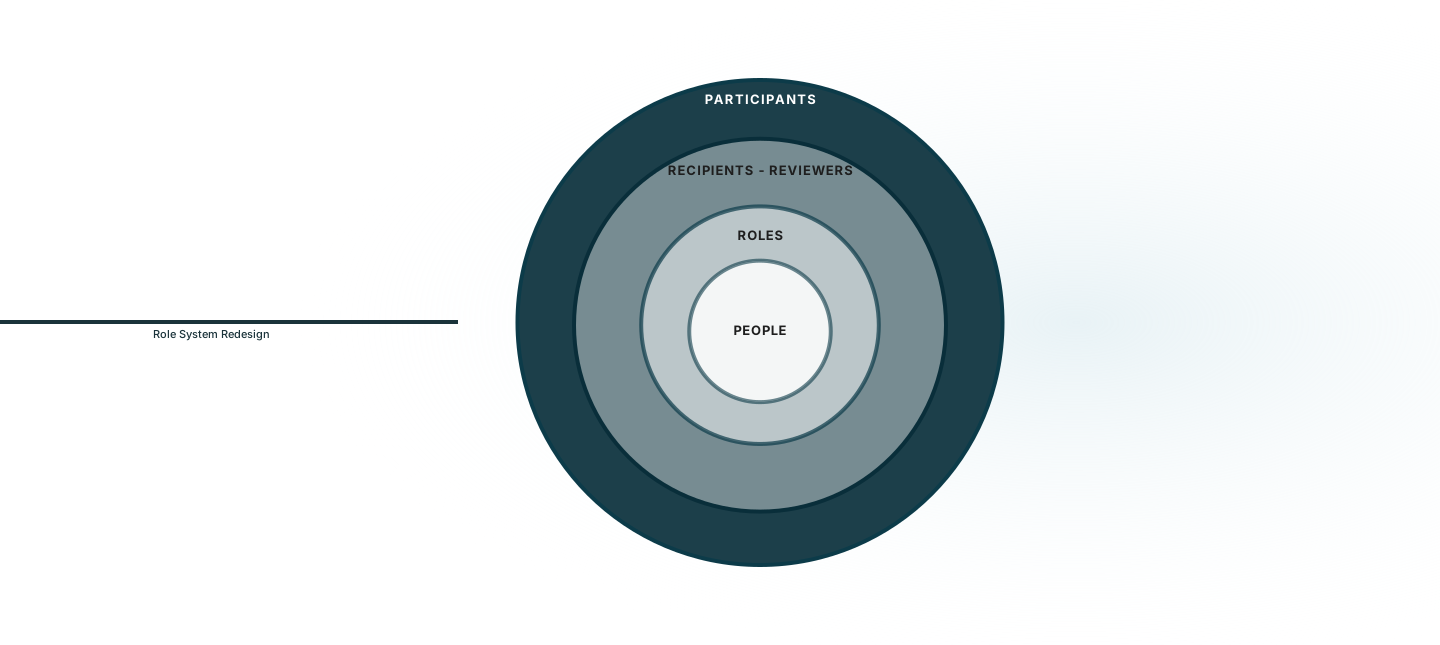
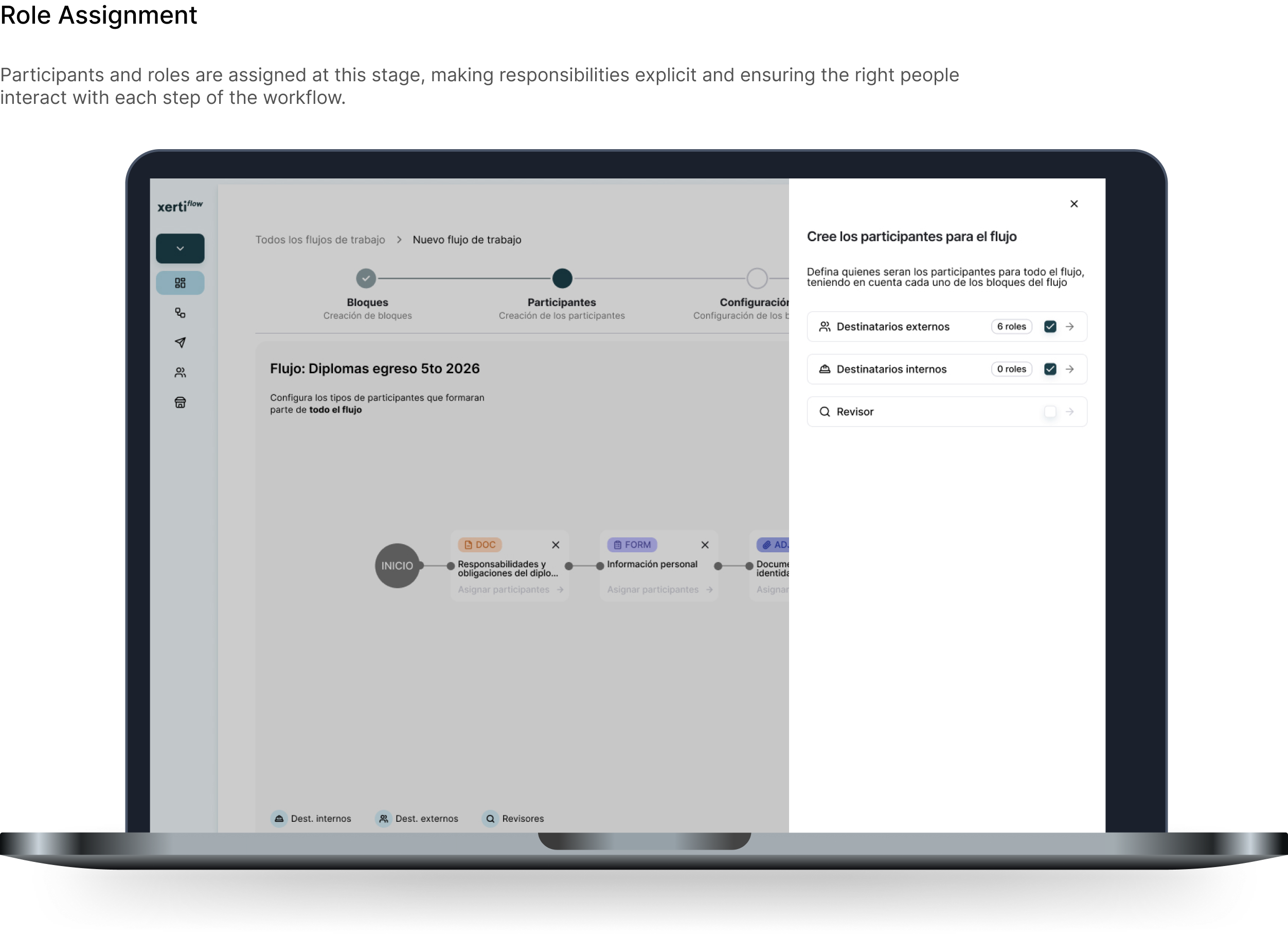
The previous system grouped all participants under one category. The redesign introduced clear participant types and Roles, improving responsibility clarity and workflow traceability.
07 — UX Flows
Simplified User Flows
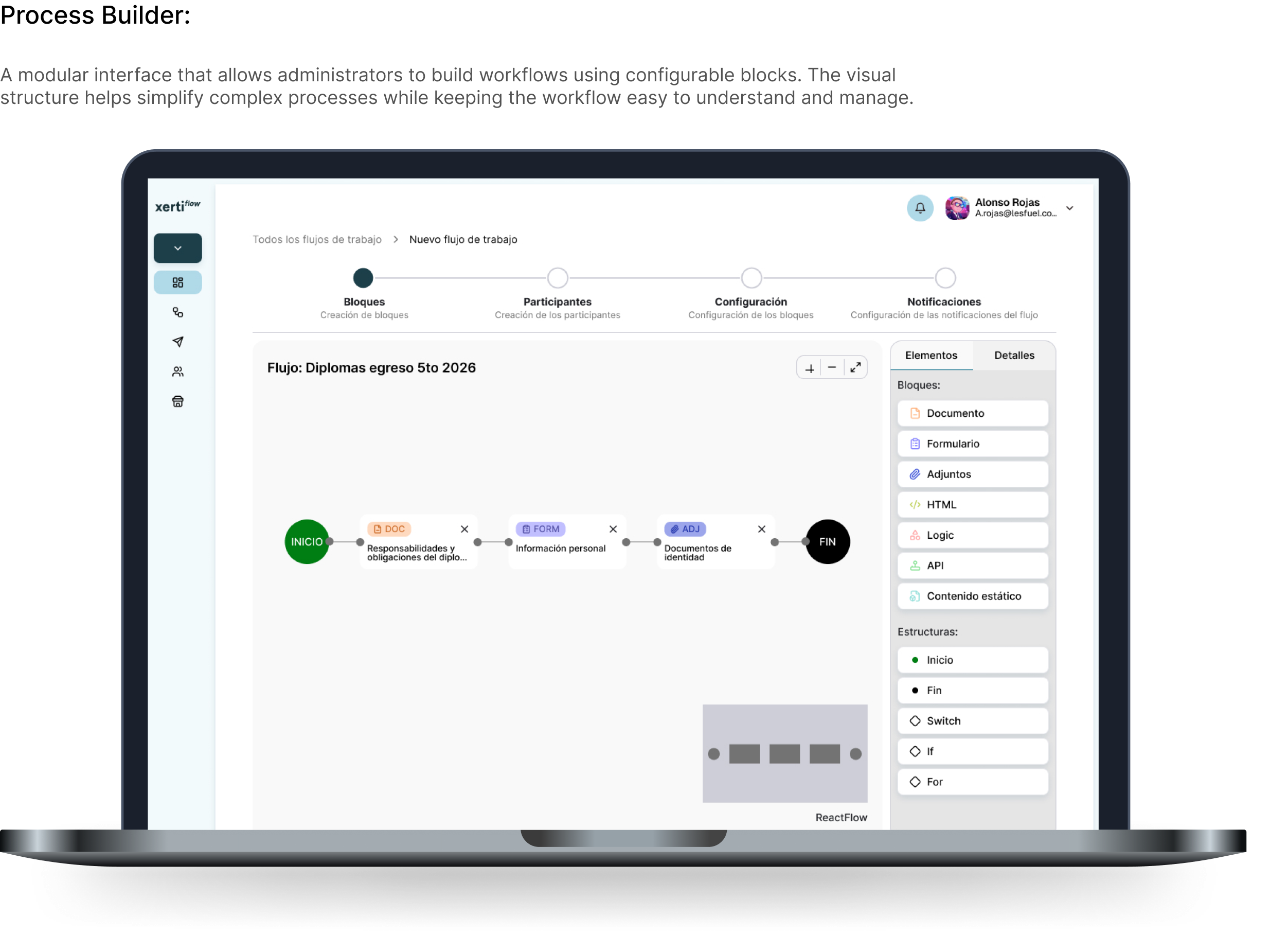
We redesigned the workflow model to support complex processes while keeping the interaction simple and scalable.
Workflow Creation
Document, Form, File Attachment, HTML, Static Content
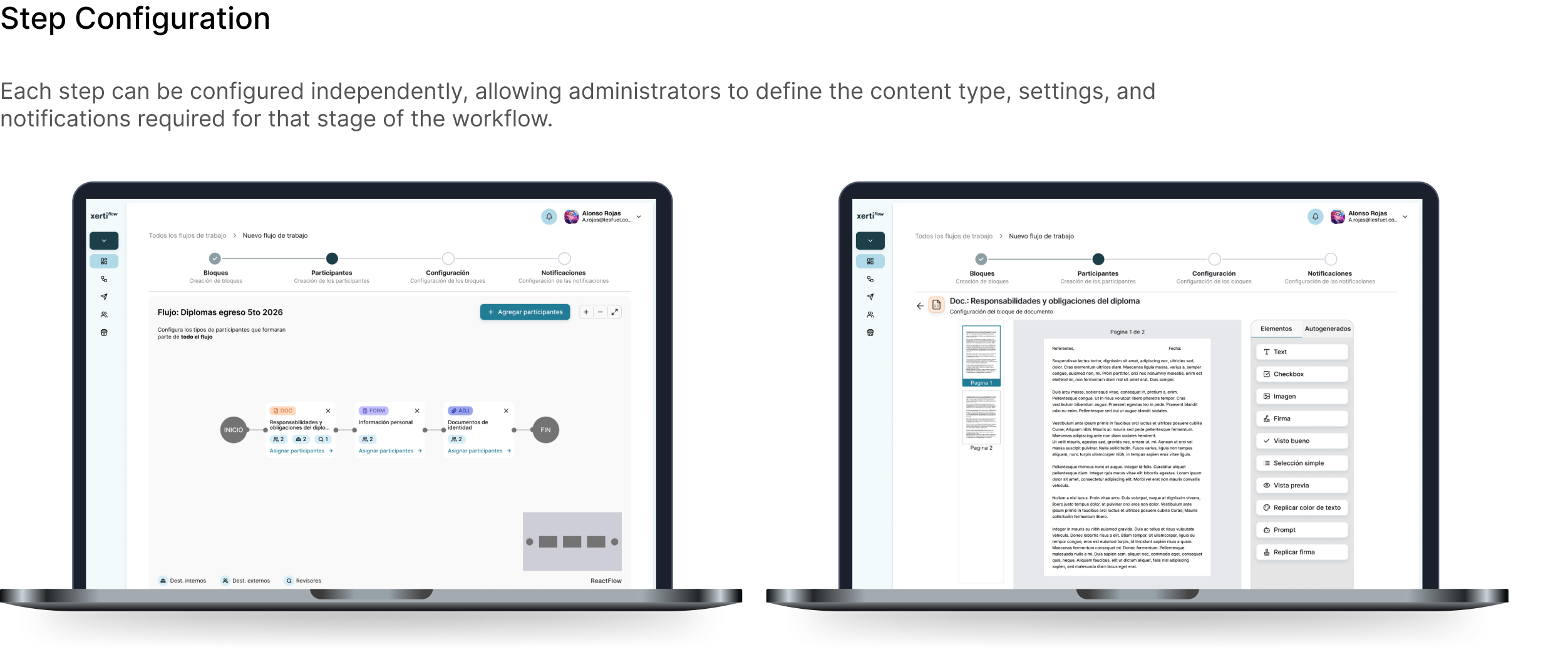
Configure ParticipantsExternal/Internal Recipients, Reviewers
Configure Roles for each Participant Assign Roles to each Block Define Flow Order between Roles Configurate block content Set notificationsSend Workflow
08 — Final Design
Final Interface Design
09 — Outcome
Outcome & Impact
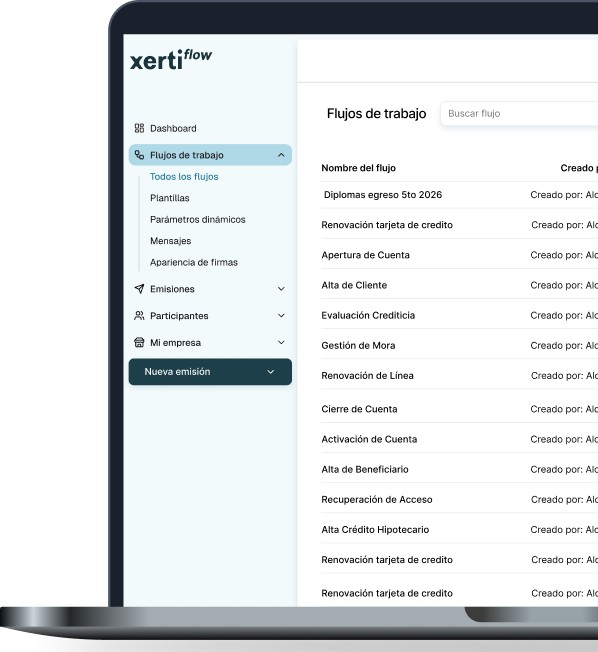
The redesign introduced a clearer and more scalable workflow structure, improving how administrators create and manage processes.
10 — Conclusion
Conclusion
Being part of this project was both challenging and incredibly rewarding. Watching the designs evolve into something that creates real impact was the most fulfilling part of the process.
:)